
Interscan
Unmatched Precision in Portable & Fixed-Point Gas Detectors
Advanced gas safety solutions for hazardous environments.
Founded in 1975, Interscan Corporation is internationally recognised as the go-to company for toxic gas detection instruments. Their engineering and product teams are continually pushing the boundaries of what is possible in gas detection technology.


Portable Gas Detection
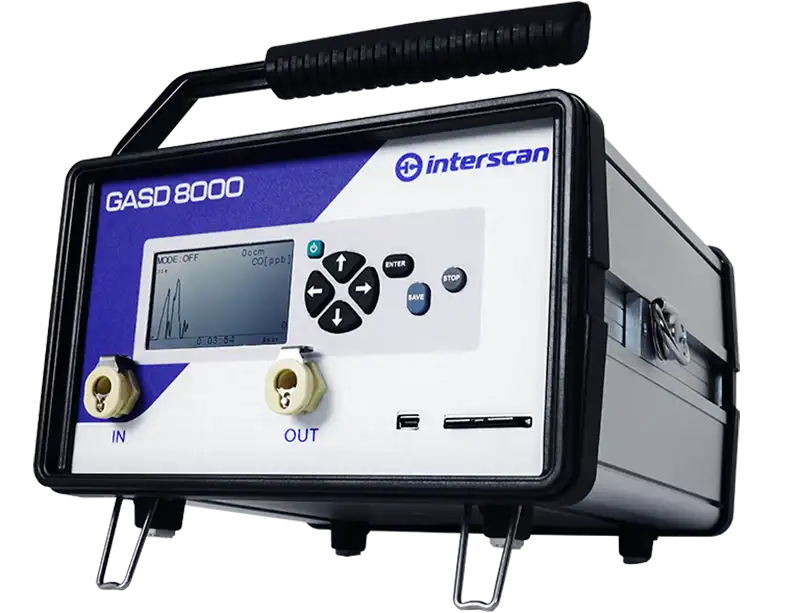
GASD 8000
Portable Gas Detector
Elevate safety standards with the GasD 8000 Portable Gas Monitor

GASD IS
Designed for Intrinsic Safety
Elevate safety standards with the GasD IS – purpose-built for explosive atmospheres
Fixed Gas Detection
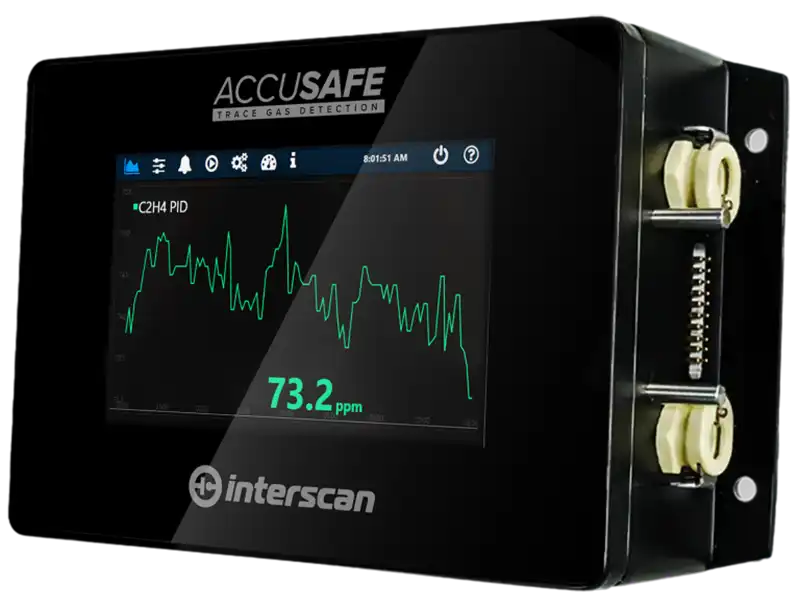

Gases Detected

Ammonia
NH3
A colourless gas with a distinctive sharp smell, Ammonia is a cornerstone in numerous industries such as agriculture, pharmaceuticals, refrigeration, and manufacturing.
Its widespread use is evident in fertilizer production, waste and wastewater treatment, and the creation of explosives. In the realm of manufacturing, ammonia plays a pivotal role in the production of plastics, fibers, and other chemicals. Though invaluable, ammonia’s toxicity is a significant hazard, particularly in enclosed industrial environments, requiring stringent detection protocols to ensure worker safety. Prolonged exposure even at low levels can have adverse health effects, making its management in the workplace critical.

Bromine
Br2
A heavy, reddish-brown liquid that evaporates into a gas at room temperature, Bromine is critical in the pharmaceutical and agricultural industries for the production of pesticides and flame retardants.
It finds applications in water treatment, dyes, and medicinal compounds as well. The automotive industry utilizes bromine in the manufacture of anti-knock fluids, adding to its diverse industrial significance. However, bromine’s high reactivity and toxicity require careful handling and robust gas detection systems to prevent inhalation risks and chemical burns in industrial settings.

Carbon Monoxide
CO
Carbon monoxide (CO)—also known as Carbonic oxide and Carbon(II) oxide—is used in a host of industries, for dozens of applications.
Some of the more common ones include fuel gas mixtures; chemical synthesis (organic acids, esters, alcohols, metal carbonyls); the reduction of ores; semiconductor manufacturing; and production of pharmaceuticals.
While a fairly large amount of CO is produced naturally, via photochemical reactions in the troposphere; volcanoes; and spontaneous forest fires; the most significant source affecting human health occurs from incomplete combustion of fuels. That is, insufficient oxygen is available to allow the reaction to complete to carbon dioxide.
Such incomplete combustion can occur in motor vehicles, power plants, and sundry industrial settings. Likewise, faulty heating systems and room space heaters can affect indoor occupancies, and are a hazard during cold weather.

Chlorine
Cl2
A greenish-yellow gas with a pungent, irritating odour, Chlorine is indispensable in water purification and as a disinfectant.
It’s a vital reactant in the manufacture of a wide array of products, including pharmaceuticals, textiles, and polyvinyl chloride (PVC) for the construction industry. Given its reactive nature and the risk of forming harmful byproducts, rigorous monitoring in industrial settings is crucial to prevent respiratory issues and other health hazards.

Chlorine Dioxide
ClO2
Chlorine Dioxide is a yellow to reddish-yellow gas used predominantly in bleaching and stripping of textiles, pulp, and paper industries.
It also serves as a disinfectant and sanitizer in water treatment and food processing. Its unique properties allow for efficient sterilisation without creating harmful chlorinated byproducts. Despite its benefits, ClO2 is a potent irritant and a strong oxidiser, necessitating advanced detection and control measures to prevent occupational hazards.

Ethylene
C2H4
Ethylene, a colorless gas with a faintly sweet aroma, is extensively used in the agricultural sector as a plant hormone to regulate fruit ripening.
It is also a fundamental building block in the chemical industry, used in the production of polyethylene and other plastics. As a key component in the manufacturing of solvents and in the synthesis of various chemicals, its flammability and potential as an asphyxiation hazard underscore the importance of proper gas detection and handling procedures.

Ethylene Oxide
C2H4O
Ethylene Oxide is a colorless gas with a sweet ether-like odor, primarily utilized for the sterilization of medical equipment and in the manufacture of antifreeze, textiles, detergents, and polyurethane foam.
It’s also a key intermediate in the production of various solvents and pharmaceuticals. Due to its carcinogenic nature and flammability, ethylene oxide requires stringent control measures to protect workers and the environment from exposure.

Formaldehyde
HCHO
Formaldehyde, a colorless gas with a strong, pungent smell, is widely used in the production of resins, as a bonding agent in wood products, and in the textile industry to make fabrics crease-resistant.
It’s also a preservative in some paints and coatings. Despite its utility, formaldehyde is known for its toxicity and potential carcinogenicity, emphasizing the need for effective ventilation and gas detection systems in workplaces.
Hydrazine
H2NNH2, CH3NHNH2, (CH3)2NNH2
Hydrazine—also known as Diamine and Nitrogen Hydride—is a clear, colorless, flammable liquid, with an ammonia-like odor.
The compound is used in the production of agricultural pesticides; in the manufacture of blowing agents for plastic production; as an anti-corrosion agent in boilers and heating systems; in plating; in solders and fluxes; in textile dyes, during nuclear fuel processing; in explosives; in water treatment; and in photographic developing chemicals.
An additional use is in rocket fuel, and this application has generated the most interest in its detection as a toxic gas. Pioneering work to improve detection methods was started in the late 1970s at the School of Aerospace Medicine in Texas. Interscan is pleased to have been involved in these efforts, and continues to cooperate with NASA and similar agencies in other countries.
The related compounds monomethyl hydrazine (MMH) and unsymmetrical dimethyl hydrazine (UDMH) are also utilized in fuel applications.

Hydrogen
H2
Hydrogen, the lightest and most abundant element in the universe, is a colourless, odourless gas.
It’s an energy carrier in fuel cells and has significant potential in the shift towards clean energy. Industries also use it in the production of ammonia, in refining metals, and as a reducing agent in various chemical processes. While non-toxic, hydrogen is highly flammable, requiring meticulous safety protocols to manage its explosive nature.

Hydrogen Bromine
HBr
Hydrogen Bromide, a colorless or faint yellow gas with an acrid odor, is widely used in the synthesis of bromine compounds and as a catalyst in pharmaceutical and fine chemical production.
It is also employed in flame retardants and for plasma etching in semiconductor manufacturing. Given its corrosive nature and potential to form hydrobromic acid, HBr requires comprehensive safety measures to prevent inhalation and contact injuries.

Hydrogen Chloride
HCl
Hydrogen chloride (aka chlorane) is a colorless gas with a sharp, pungent odor. The compound fumes strongly in moist air. It is used in the production of fertilizers, dyes, in electroplating, and in the photographic, textile, and rubber industries.
HCl is used in the manufacture of organics such as dichloroethane and vinyl chloride—used to manufacture PVC (polyvinyl chloride). It is used to effectively regulate the pH level of a wide variety of manufacturing processes including the production of drinking water (likewise in swimming pool purification), foods, and pharmaceuticals.
Hydrogen chloride is also employed to “pickle” steel (removing rust and scale from the material), and in the processing of leather.

Hydrogen Cyanide
HCN
Hydrogen Cyanide, with its faint, bitter almond-like odour, is pivotal in the production of synthetic fibers, plastics, and resins.
It’s also used in electroplating, metal processing, and as a fumigant in pest control. The mining industry employs HCN in gold and silver extraction, demonstrating its broad utility. Despite its usefulness, HCN is extremely toxic, with the potential to disrupt cellular respiration, thus stringent monitoring is essential to prevent occupational exposure.

Hydrogen Peroxide
H2O2
Hydrogen Peroxide is a pale blue liquid, appearing almost colorless in dilute form, used extensively as a bleaching agent and disinfectant.
The paper and pulp industry, textile manufacturing, and environmental management systems use it for its oxidizing properties. In healthcare, it serves as an antiseptic. Although less toxic than other industrial chemicals, its concentration-specific reactivity necessitates careful handling and storage, with monitoring to safeguard against potential explosive reactions.

Hydrogen Sulfide
H2S
Hydrogen sulfide (aka dihydrogen monosulfide; sewer gas; stink damp; sulfur dihydride; sulfureted hydrogen) is a colourless gas having a strong odour of rotten eggs.
The major use of the compound is in the production of elemental sulfur and sulfuric acid. Hydrogen sulfide is also employed in the production of thiorganic compounds; alkali metal sulfides; and to separate deuterium oxide (heavy water) from normal water. It is utilized in metallurgy; in extreme pressure lubricants and cutting oils; and as an agricultural disinfectant.

Nitric Oxide
NO
Nitric Oxide, a colourless gas with a sharp, sweet odour, plays a critical role in various industries, including semiconductor manufacturing for chip production, and as an intermediate in the synthesis of nitric acid.
It’s also used for its vasodilating properties in medical applications. However, NO can rapidly form nitrogen dioxide (NO2) in the air, which is toxic, and therefore requires rigorous environmental monitoring and control in the workplace.

Nitrogen Dioxide
NO2
Nitrogen dioxide (aka nitrogen peroxide) exists in equilibrium with its dimer dinitrogen tetroxide. It presents as a reddish brown gas or yellowish-brown liquid when cooled or compressed.
The compound is an intermediate in nitric acid production; a nitrating agent in explosives; a polymerization inhibitor for acrylates; and an oxidizing agent in rocket fuels. Nitrogen dioxide has also been used to bleach flour.

Ozone
O3
Ozone, a gas with a distinctive sharp smell, is revered for its purifying qualities, prominently used in water treatment and air purification.
It is also employed in the pharmaceutical and food processing industries for sterilization. While beneficial in the upper atmosphere for UV protection, at ground level, ozone can be harmful, causing respiratory distress and other health issues, necessitating rigorous monitoring in occupational settings.

Peracetic Acid
C2H4O3
Peracetic Acid, a potent oxidizing agent with a strong, vinegar-like odour, is used for high-level disinfection in the food industry, healthcare, and water treatment facilities.
Its efficacy at low temperatures makes it an attractive alternative to traditional sanitizers. Due to its corrosive nature and ability to decompose into toxic substances, including hydrogen peroxide and acetic acid, maintaining safe handling practices and monitoring air quality is crucial.

Propylene Oxide
C3H6O
Propylene Oxide is a colourless, volatile liquid with a faintly sweet odour, essential in the production of polyurethane plastics, propylene glycol, and glycol ethers.
It finds extensive use in the automotive and construction industries for its applications in antifreeze and insulation materials. Its high flammability and capacity to cause respiratory and skin irritation call for strict industrial hygiene and real-time gas monitoring.

Sulfur Dioxide
SO2
Sulfur Dioxide, a toxic gas with a pungent, irritating smell, is primarily produced by volcanic activity and as a byproduct of burning fossil fuels.
It has applications in the chemical industry as a preservative, in the production of sulfuric acid, and as a bleaching agent. The wine industry also uses it for its antioxidant and antibacterial properties. SO2’s potential to form acid rain and its respiratory hazards necessitate strict regulatory compliance and monitoring in the workplace.
Industry Applications

Aerospace
Managing toxic gas hazards in aerospace operations is essential.
Rocket propellant gases are highly volatile and present significant safety challenges in aerospace operations. These, along with other common toxic gases such as hydrazine, ammonia, and carbon monoxide, pose severe health risks and operational hazards if not properly monitored.
Common Toxic Gases:
- Hydrazine: Highly toxic and carcinogenic, causing severe respiratory issues and skin burns.
- Dinitrogen Tetroxide: Toxic and can cause severe respiratory problems if inhaled. It can also irritate the eyes, skin, and respiratory system. High exposure levels may lead to pulmonary edema, a condition characterized by fluid accumulation in the lungs.
- Ammonia: Can result in respiratory distress and skin irritation.
- Carbon Monoxide: A colorless, odorless gas that can cause headaches, dizziness, and even death with prolonged exposure.

Agriculture & Fertiliser
Addressing toxic gas risks in agriculture and fertiliser production is crucial.
Agriculture and fertilizer manufacturing industries face significant safety challenges due to the presence of toxic gases such as ammonia, hydrogen sulfide, and methane. These gases can pose severe health risks and operational hazards if not properly monitored. Ammonia exposure can lead to respiratory distress and skin irritation, hydrogen sulfide is highly toxic and can cause respiratory failure, while methane is a flammable gas that poses explosion risks.
Common Toxic Gases and Their Hazards:
- Ammonia: Can cause respiratory distress, skin irritation, and eye damage.
- Hydrogen Sulfide: Highly toxic, capable of causing respiratory failure and death with prolonged exposure.
- Methane: Flammable and explosive, posing significant risks in confined spaces.

Chemical Manufacturing
Monitoring trace levels of toxic gases released during chemical synthesis in chemical manufacturing is imperative.
Chemical manufacturing facilities face significant safety challenges due to the presence of various toxic gases such as ammonia, chlorine, and hydrogen sulfide. These gases can pose severe health risks and operational hazards if not properly monitored. Ammonia exposure can lead to respiratory distress and skin irritation, chlorine is highly toxic and can cause respiratory failure, while hydrogen sulfide is a highly toxic gas that can result in respiratory paralysis.
Common Toxic Gases and Their Hazards:
- Ammonia: Can cause respiratory distress, skin irritation, and eye damage.
- Chlorine: Highly toxic, capable of causing respiratory failure and severe health issues.
- Hydrogen Sulfide: Extremely toxic, can lead to respiratory paralysis and death with prolonged exposure.

Environmental Monitoring
Monitoring and addressing toxic gas issues in environmental monitoring is crucial.
Environmental monitoring professionals face significant challenges in detecting and managing various toxic gases such as sulfur dioxide, nitrogen dioxide, and ozone. These gases can pose severe health risks and environmental hazards if not properly monitored. Sulfur dioxide can cause respiratory issues and environmental damage, nitrogen dioxide contributes to air pollution and respiratory problems, while ozone, although beneficial in the upper atmosphere, is harmful at ground level.
Common Toxic Gases and Their Hazards:
- Sulfur Dioxide (SO2): Causes respiratory issues and environmental damage.
- Nitrogen Dioxide (NO2): Contributes to air pollution and respiratory problems.
- Ozone (O3): Harmful at ground level, causing respiratory distress and environmental harm.

Healthcare
Navigating toxic gas challenges in sterile processing is critical.
Sterile processing facilities in healthcare settings face significant safety challenges due to the use of various toxic gases such as ethylene oxide, formaldehyde, and hydrogen peroxide. These gases can pose severe health risks to staff and patients if not properly monitored. Ethylene oxide, used for sterilization, is highly toxic and carcinogenic. Formaldehyde exposure can cause respiratory issues and skin irritation, while hydrogen peroxide, although used for sterilization, can be harmful if inhaled in high concentrations.
Common Toxic Gases and Their Hazards:
- Ethylene Oxide (EtO): Highly toxic and carcinogenic, causing severe health issues.
- Formaldehyde: Causes respiratory problems, skin irritation, and potential long-term health effects.
- Hydrogen Peroxide (H2O2): Harmful if inhaled in high concentrations, causing respiratory distress.

Mining
Early warnings of toxic gas hazards in mining operations is essential.
Mining operations face significant safety challenges due to the presence of various toxic gases such as methane, hydrogen sulfide, and carbon monoxide. These gases can pose severe health risks to miners and can also lead to catastrophic events if not properly monitored. Methane is highly flammable and can cause explosions, hydrogen sulfide is extremely toxic and can lead to respiratory failure, and carbon monoxide, a colorless and odorless gas, can be fatal in high concentrations.
Common Toxic Gases and Their Hazards:
- Methane (CH4): Highly flammable, posing significant explosion risks.
- Hydrogen Sulfide (H2S): Extremely toxic, causing respiratory failure and death.
- Carbon Monoxide (CO): Colorless, odorless, and deadly in high concentrations.
Oil & Gas
Navigating toxic gas challenges in oil and gas operations is critical.
Oil and gas facilities face significant safety challenges due to the presence of various toxic gases such as hydrogen sulfide, methane, and carbon monoxide. These gases can pose severe health risks to workers and can lead to catastrophic events if not properly monitored. Hydrogen sulfide is extremely toxic and can cause respiratory failure, methane is highly flammable and can cause explosions, and carbon monoxide, a colorless and odorless gas, can be fatal in high concentrations.
Common Toxic Gases and Their Hazards:
- Hydrogen Sulfide (H2S): Extremely toxic, causing respiratory failure and death.
- Methane (CH4): Highly flammable, posing significant explosion risks.
- Carbon Monoxide (CO): Colorless, odorless, and deadly in high concentrations.

Semiconductor
Ensuring safety from toxic gases in semiconductor facilities is critical.
Semiconductor manufacturing facilities face significant safety challenges due to the use of various toxic gases such as hydrogen, hydrogen bromide, and hydrogen peroxide. These gases can pose severe health risks to staff and can disrupt production processes if not properly monitored. Hydrogen is highly flammable and can cause explosions. Hydrogen bromide, used in etching processes, is highly toxic and corrosive. Hydrogen peroxide, used in cleaning processes, can be harmful if inhaled in high concentrations. Additionally, nitric oxide and ozone used in various processes can cause severe respiratory issues and other health problems.
Common Toxic Gases and Their Hazards:
- Hydrogen (H2): Highly flammable, posing significant explosion risks.
- Hydrogen Bromide (HBr): Highly toxic and corrosive, causing severe health issues.
- Hydrogen Peroxide (H2O2): Harmful if inhaled in high concentrations, causing respiratory distress.
- Nitric Oxide (NO): Causes severe respiratory issues and other health problems.
- Ozone (O3): Harmful if inhaled, causing respiratory problems.

Pharmaceutical
Monitoring toxic gases in pharmaceutical manufacturing environments is essential for worker safety.
Pharmaceutical manufacturing facilities face significant safety challenges due to the use of various toxic gases such as ethylene oxide, formaldehyde, and ammonia. These gases can pose severe health risks to staff and can compromise product integrity if not properly monitored. Ethylene oxide, used for sterilization, is highly toxic and carcinogenic. Formaldehyde exposure can cause respiratory issues and skin irritation, while ammonia, used in various processes, can be harmful if inhaled in high concentrations.
Common Toxic Gases and Their Hazards:
- Ethylene Oxide (EtO): Highly toxic and carcinogenic, causing severe health issues.
- Formaldehyde: Causes respiratory problems, skin irritation, and potential long-term health effects.
- Ammonia (NH3): Harmful if inhaled in high concentrations, causing respiratory distress.

Textiles
Addressing toxic gas challenges in textile manufacturing is essential.
Textile manufacturing facilities face significant safety challenges due to the use of various toxic gases such as formaldehyde, chlorine, and sulfur dioxide. These gases can pose severe health risks to workers and can affect product quality if not properly monitored. Formaldehyde, used in fabric treatments, is highly toxic and carcinogenic. Chlorine, used in bleaching, can cause respiratory issues and skin irritation, while sulfur dioxide, a byproduct of certain processes, can be harmful if inhaled in high concentrations.
Common Toxic Gases and Their Hazards:
- Formaldehyde: Highly toxic and carcinogenic, causing severe health issues.
- Chlorine (Cl2): Causes respiratory problems and skin irritation.
- Sulfur Dioxide (SO2): Harmful if inhaled in high concentrations, causing respiratory distress.

Wastewater Treatment
Ensuring safe operations in wastewater treatment amidst toxic gas hazards.
Wastewater treatment facilities encounter significant safety challenges due to the presence of various toxic gases such as hydrogen sulfide, methane, and chlorine. These gases can pose severe health risks to staff and can disrupt treatment processes if not properly monitored. Hydrogen sulfide, produced during the decomposition of organic matter, is highly toxic and can cause respiratory issues. Methane, a byproduct of anaerobic digestion, is highly flammable, while chlorine, used for disinfection, can cause severe respiratory problems and skin irritation.
Common Toxic Gases and Their Hazards:
- Hydrogen Sulfide (H2S): Highly toxic, causing severe respiratory issues and potential death.
- Methane (CH4): Highly flammable, posing significant explosion risks.
- Chlorine (Cl2): Causes respiratory problems and skin irritation.

Wood, Pulp & Paper
Mitigating toxic gas risks in wood and paper processing is imperative.
Wood and paper manufacturing facilities face significant safety challenges due to the presence of various toxic gases such as formaldehyde, chlorine dioxide, and sulfur dioxide. These gases can pose severe health risks to workers and can disrupt production processes if not properly monitored. Formaldehyde, used in adhesives and treatments, is highly toxic and carcinogenic. Chlorine dioxide, used in bleaching, can cause respiratory issues and skin irritation, while sulfur dioxide, produced during pulping, can be harmful if inhaled in high concentrations.
Common Toxic Gases and Their Hazards:
- Formaldehyde: Highly toxic and carcinogenic, causing severe health issues.
- Chlorine Dioxide (ClO2): Causes respiratory problems and skin irritation.
- Sulfur Dioxide (SO2): Harmful if inhaled in high concentrations, causing respiratory distress.
Frequently Asked Questions
Gas detection equipment is designed to monitor and detect the presence of hazardous gases in an environment. It is essential for ensuring the safety of personnel and property by providing early warning of potentially dangerous gas leaks.
Portable gas detectors are handheld devices used for personal safety and spot-checking environments. Fixed gas detectors are installed in a specific location to continuously monitor for gas leaks in that area.
Interscan equipment can detect more than 20 different toxic gases, including but not limited to: ethylene oxide (C2H4O), peracetic acid (C2H4O3), carbon monoxide (CO), methane (CH4), ammonia (NH3), hydrogen sulfide (H2S), and ozone (O3).
Interscan’s innovative gas sensing technology eliminates the need for calibration. With the Interchange Sensor System, sensors arrive at the customer’s facility already calibrated. When the sensor is due for replacement, Interscan sends a new sensor cartridge and the customer ships their old cartridge back to Interscan for recycling.
Choosing the right gas detector depends on the specific gases you need to monitor, the environment in which the equipment will be used, and any regulatory requirements.
Bell Technology can help you assess your needs and recommend the best solution.
Interscan gas detection devices are designed for ease of use and minimal maintenance. The primary maintenance tasks are regular sensor replacements and battery checks. Additionally, it is important to keep the equipment clean and ensure it is operating correctly. Adhering to the manufacturer’s maintenance schedule is essential for consistent and reliable performance.
Yes, Interscan gas detectors meet or exceed industry standards and regulations for safety and performance, including those set by OSHA, ANSI, and other relevant organizations.
Yes, many of Interscan's gas detection systems can be integrated with other safety and monitoring systems, such as fire alarms, ventilation controls, and building management systems.
Interscan gas detectors come with a standard 1-year warranty, covering manufacturing defects and providing peace of mind for customers.