Kimessa
Market leading gas detection systems
Gas detection systems are indispensable safety components that play an important role in a wide range of areas. Various measuring principles ensure that selective measurement of a wide variety of gases is possible. They are used in industrial environments, laboratories, storage facilities and other work areas where the protection of people, systems and the environment from potential hazards caused by gas leaks is a high priority.
The main function of gas warning systems is to detect the presence of harmful gases in the air and to trigger a warning if safety limits are exceeded. These warnings can be visual, audible or via automatic controls to enable a rapid response of countermeasures, such as the activation of ventilation.
Kimessa AG has been active in the field of gas monitoring since 1985.
Your safety is Kimessa's priority!


KIMESSA gas detection systems are used worldwide
Modern society lives and works with toxic and flammable gases and vapors on a daily basis. Today, gas is an economical, technical and convenient medium, but can suddenly become a major hazard if left unchecked.
Depending on the field of activity, there are a large number of gases that have a harmful effect on the human body or pose a latent risk of accidents as explosive or flammable substances.
KIMESSA offers a large selection of gas measuring transmitters and professional advice to ensure safety in a wide range of applications
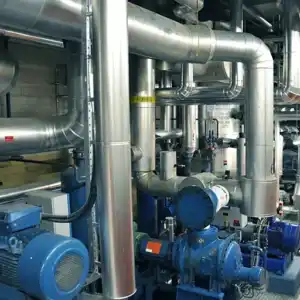 Changing the refrigerant also changes the dangers posed by the refrigerant. Flammable gases, for example, which form an explosive gas-air mixture in the event of a leak, are particularly dangerous. However, the odorless carbon dioxide CO2, which is toxic in high concentrations, also poses a suffocation hazard.
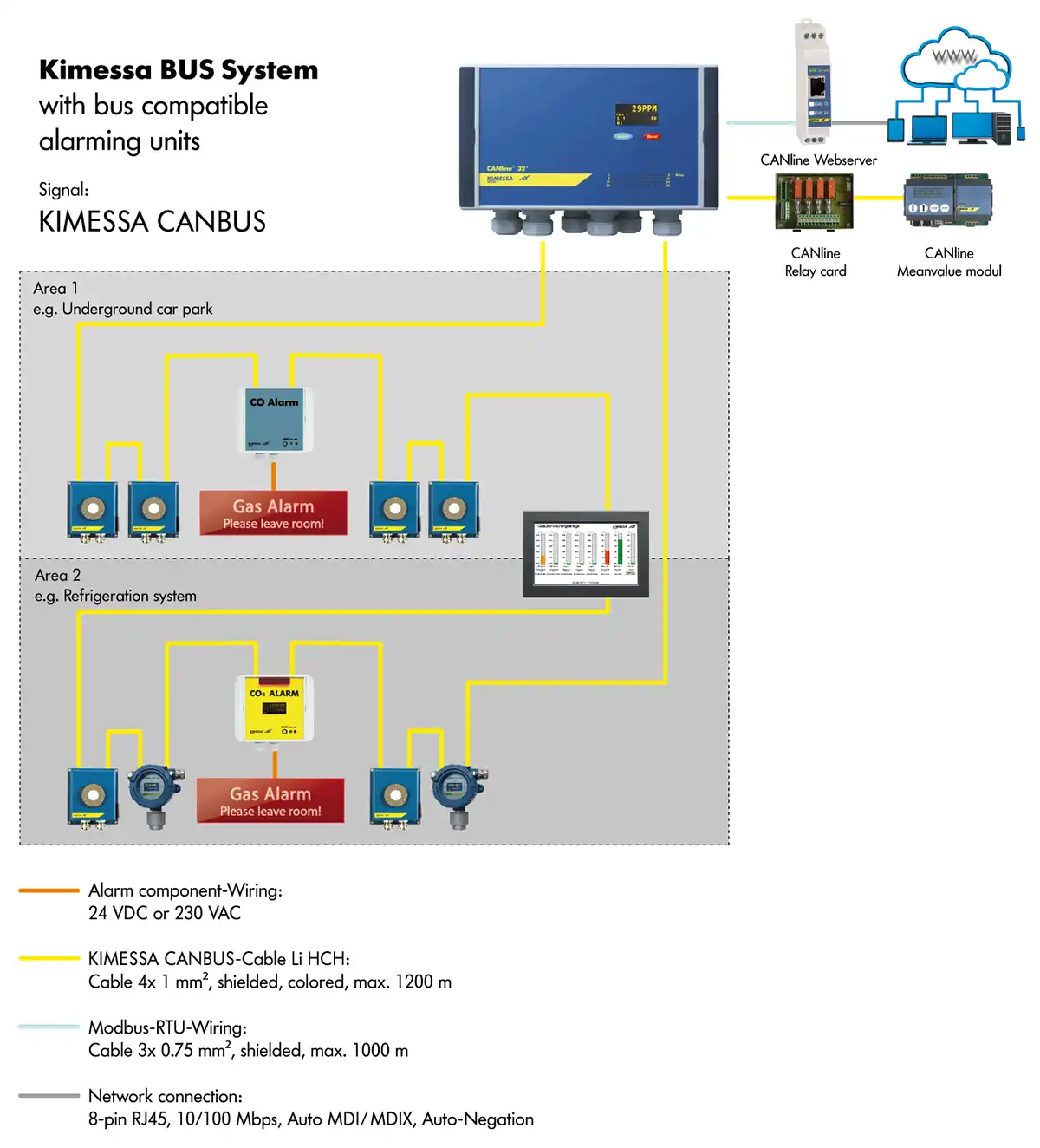
KIMESSA's warning technology offers solutions such as installation in BUS cabling in the cold room and visual and audible alarms inside and outside the cold room (type CWED 68).
The BUS cabling enables a particularly variable installation of the measuring points as well as the acoustic and optical detectors and is particularly cost-effective.
Touch displays can be installed at the entrance to the rooms to be monitored to visualize and quickly check the gas concentrations present. All measurement data and events are recorded and can therefore be tracked and analyzed at any time.
The digital Modbus RTU interface is integrated as standard in all CANline control centers. Individual gas measurement transmitters can be optionally retrofitted with a Modbus RTU interface.
In the field of refrigerant monitoring, KIMESSA works together with several well-known refrigeration system manufacturers.
The Modbus RTU digital interface is available as standard on all CANline control panels. Optionally, the Modbus RTU interface can be connected to the refrigeration system control.
 Standalone gas detector MONOline
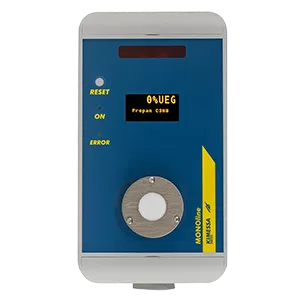 Standalone gas detector MONOline
The ready-to-connect 230VAC gas warning device MONOline, which is calibrated for a wide range of refrigerants, was specially developed for monitoring small refrigeration systems. The device has a built-in optical light and a signal transmitter as standard. The limit values and relay programming can be easily reprogrammed to customer specifications using a magnetic pen. In addition to stand-alone operation, the device has an analog output signal (4-20mA) or it can be connected either to the CANline control unit or to a Modbus interface via the digital output. The sensors can be easily replaced with pre-calibrated sensors.
 Depending on the laboratory's field of activity, different gases are required that have a harmful effect on the human organism or pose a latent explosion hazard as explosive or flammable substances. KIMESSA offers you comprehensive safety solutions for gas monitoring.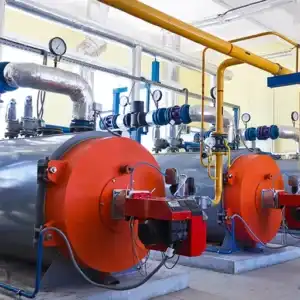
 Individual ventilation concepts are implemented with different control programs. The integrated switch-on and switch-off delays prevent the ventilation from being switched on prematurely in the event of a short-term local increase in CO concentration (petrol vehicles) or NO2 / NO (diesel vehicles). The CO/NO2 measurement is as good as its measuring principle. The KIMESSA CO/NO2 gas measuring transmitters are equipped with a selective electrochemical measuring element. This guarantees a selective and optimal measurement, the ventilation switches on in compliance with the required safety and prevents false flue gas alarms.
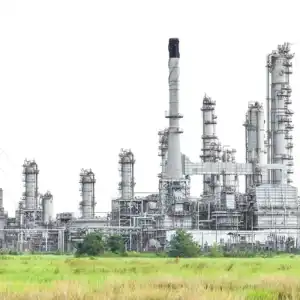 Typical gases and vapors produced are, for example:: H2S, CH4, CO, O2, xylene, alcohol, toluene.
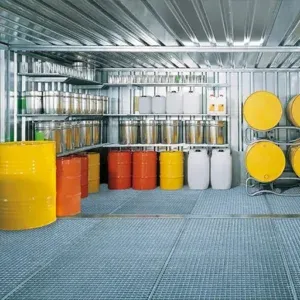 In the hazardous materials storage industry, the use of a gas warning system is crucial to ensure the safety of employees, facilities and the environment. This applies to manufacturers who work with hazardous substances as well as haulage companies entrusted with the transportation of such materials, gas wholesalers who fill and trade gases in smaller containers and many more.
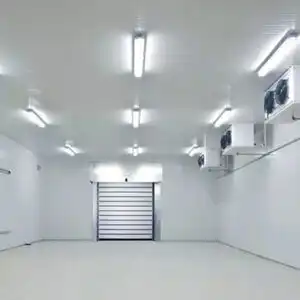 The storage and refrigeration of fruit, for example, involves specific risks and requires careful planning and the use of suitable products to ensure food quality and avoid hazards. A key area that requires special attention is the cold room where fresh food is stored. Here, not only the temperature and humidity conditions are crucial, but also the measurement of carbon dioxide CO2.
 In pubs, dispensing systems are used to dispense beer using CO2 gas. The CO2 gas is usually stored underneath the bar. When changing gas cylinders, a connection on the gas cylinder, the fitting, can accidentally leak due to incorrect handling, so that CO2 can escape.
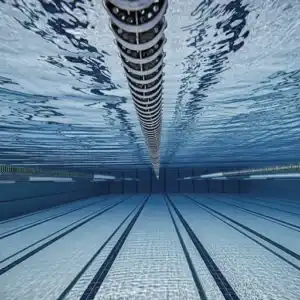 Proper water treatment in swimming pools is essential to protect the health of bathers and ensure a hygienic environment. However, this process involves specific risks that require expert advice and the use of suitable products. A critical area in swimming pools is the monitoring in the technical rooms.
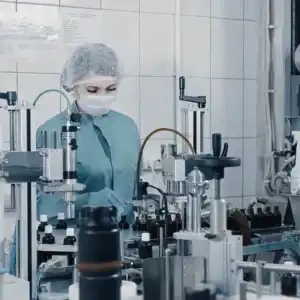 In the chemical and pharmaceutical industry, a large number of gases are used in various processes, including critical substances such as ethylene oxide EO, which is used to kill germs. Such substances can be harmful to health or even carcinogenic and therefore pose a significant risk to employees. For this reason, gas warning systems that can monitor several potential sources of danger simultaneously are of crucial importance.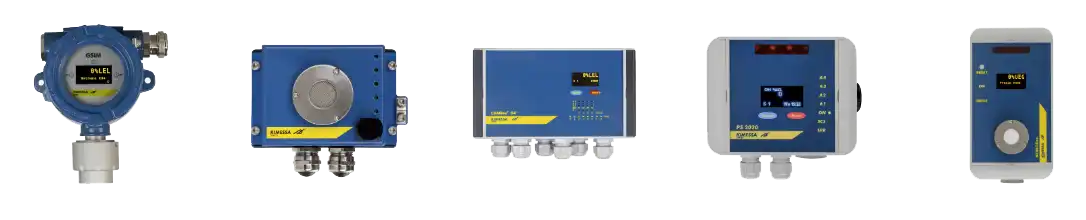
 In the drinking water industry, ensuring water quality is a top priority in order to protect the health of consumers. Nevertheless, various potentially hazardous gases can occur in water treatment processes, which underlines the need for reliable gas monitoring. One example of this is chlorine, which is often used to disinfect drinking water, but other chemicals may also be present that can be harmful to health if they occur in high concentrations.
 Due to the considerable increase in production in animal husbandry, the gas concentrations of methane and ammonia that occur today are far higher and more dangerous than in earlier times. The excretions of the animals lead to the release of gases such as methane and ammonia.
 In the beverage industry, gas warning systems are essential in various areas to ensure the safety of employees. The requirements range from monitoring gases during production processes to ensuring the safe storage and handling of concentrates.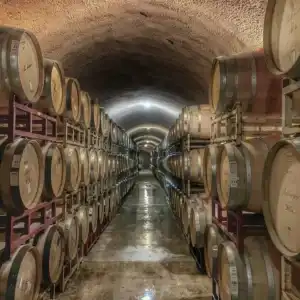
 In the automotive industry, production facilities and assembly plants are highly complex environments in which a variety of processes take place. Various gases can be used that pose potential hazards to employees and the environment. Therefore, the implementation of gas detection systems in these facilities is crucial.
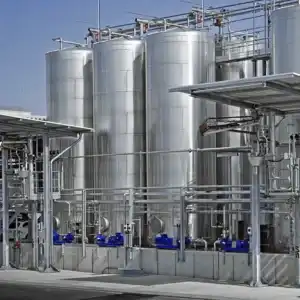 In tank farms, where large quantities of various liquid chemicals and fuels are stored, safety is of paramount importance. Various gases and vapors can be released, posing potential hazards to employees and the environment. For this reason, the installation of gas warning systems in such facilities is essential.
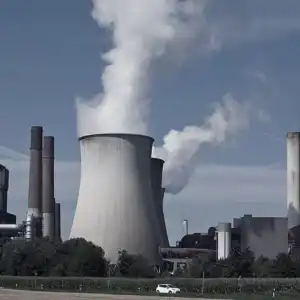
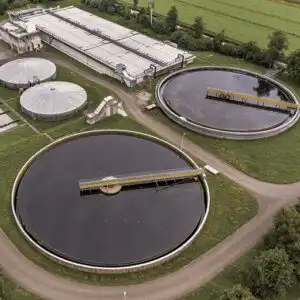 At a temperature of 37 degrees, bacteria break down the biological substances in the sludge and a digester gas consisting of methane and carbon dioxide is produced. It is used in combined heat and power plants to generate electricity and heat.
 Electroplating is a process from the field of surface technology, the general aim of which is to create functional and decorative layers on a base material. The coating processes are used in many technical industries, for example for dials in the watch industry.
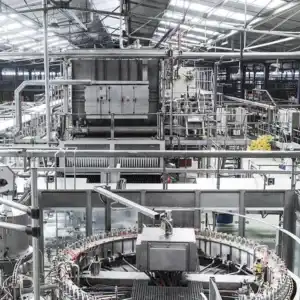
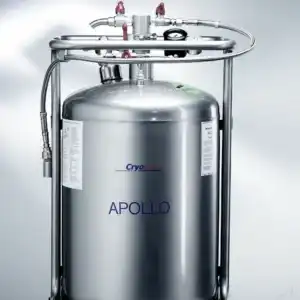 The monitoring of nitrogen containers is becoming increasingly important, particularly in the food processing, chemical, pharmaceutical and healthcare industries. Nitrogen is often used in large quantities for various applications, including as an inert gas for food packaging, in laboratories for the storage of samples and in medical facilities for the storage of biological materials.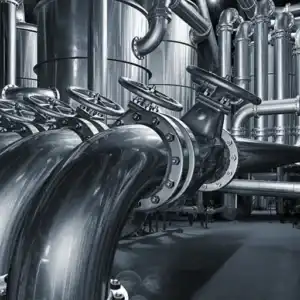
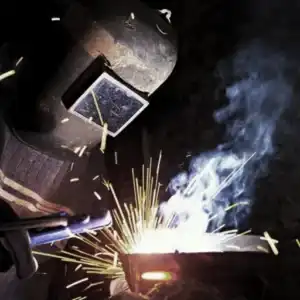 Shielding gas welding uses shielding gases that flow around the electrode and the molten metal. The supply of shielding gases in the torch forms a protective atmosphere around the welding point and thus stabilizes the arc.
Products
Gas Warning Centres
Gas Measuring Transmitter
Alarm Devices
Standalone Gas Detectors
Portable Gas Monitors
Humidity Measurement & Ventilation Control
Accessories
Innovative research and constant development create unique KIMESSA gas monitoring systems to meet the requirements of a wide range of industrial applications. Easy to use yet feature rich control monitors along with a wide range of gas measurement sensors actively address risks to personnel and expensive work place equipment.
Thanks to optimised technical solutions, our gas monitoring systems are versatile, high quality and extremely cost-effective. All systems and products undergo constant quality controls. With over 30 years of experience and the extensive technical know-how of KIMESSA as well as your representatives, we provide you a guarantee for optimum advice, performance and support for your gas monitoring system.